Taking up the torch after the Comprehensible Input conference: are we in?
|
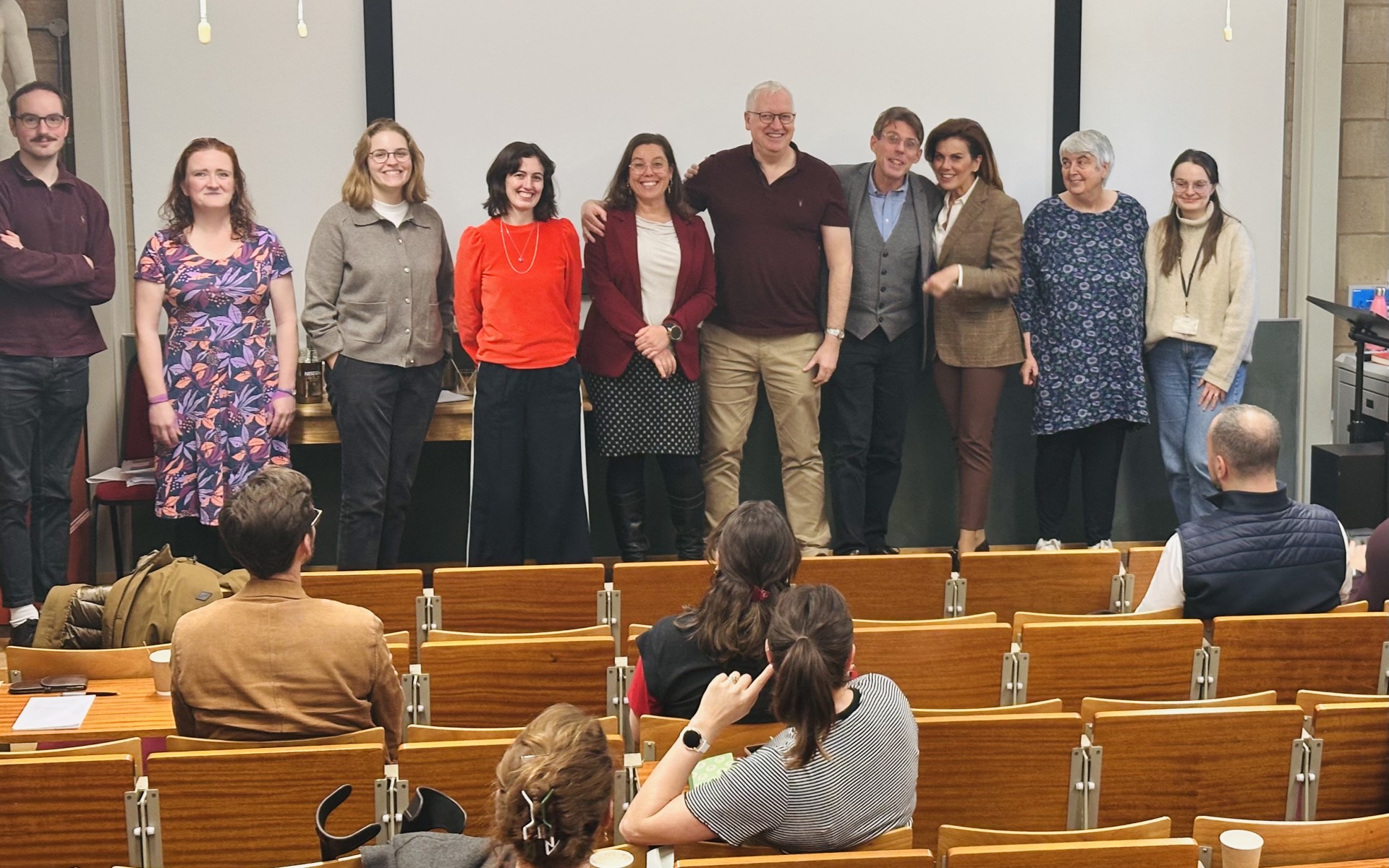
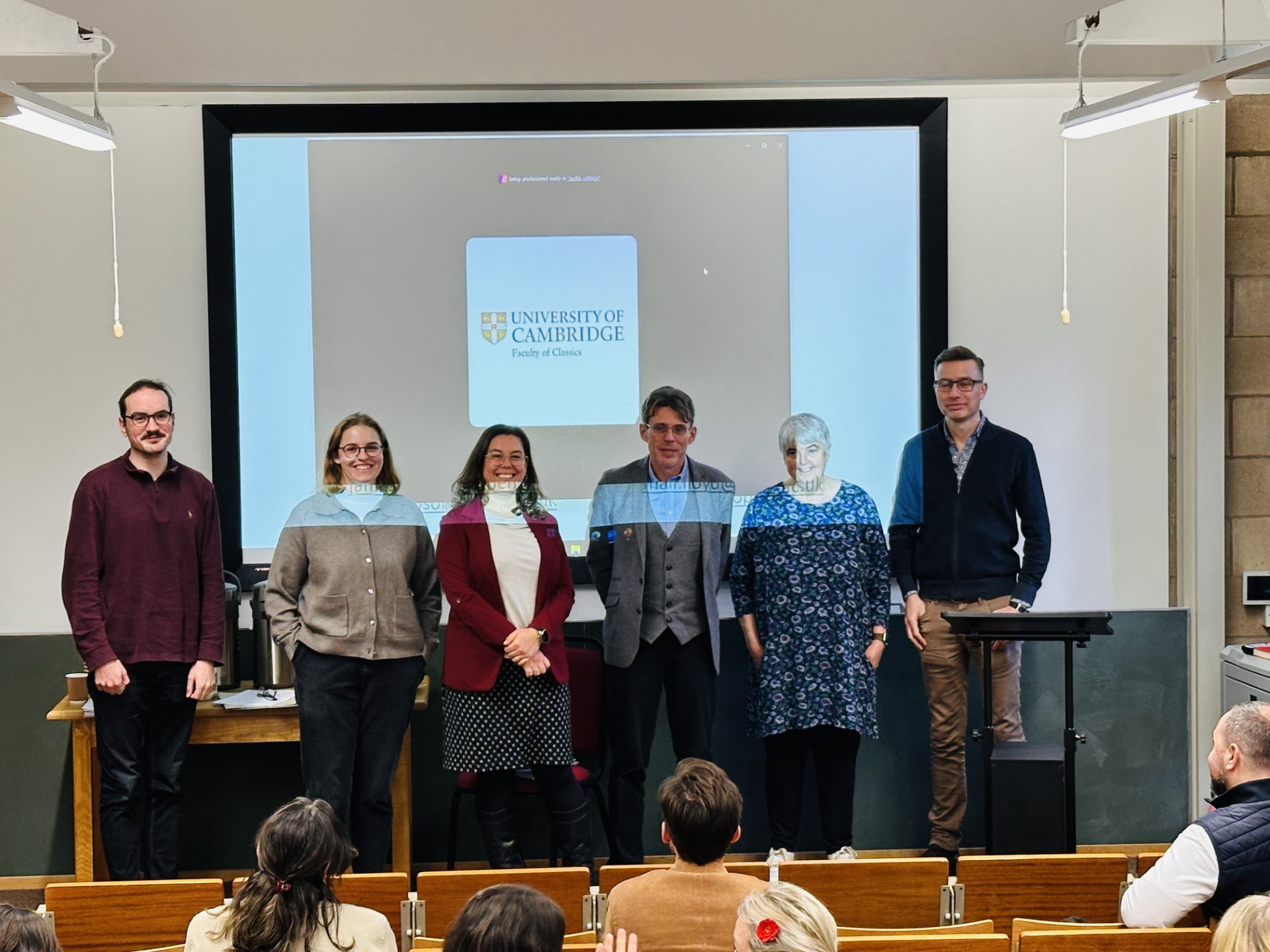
Hi Reader, It is Ana here, the publicity officer at the ARLT. As we all get back to our routines after the half term, I thought this would be a good time to look back at some recent events and forward to what is coming next (our very own repice, prospice!) With our next meeting in March still some time away, it was a pleasure to meet many of you at the Comprehensible Input conference in Cambridge last week. It was such an inspiring event, and one I hope will guide us all, particularly ARLT members, to a better understanding of how languages are learnt. It also made me reflect on the future of the ARLT. I have put some thoughts into a blog post, and you can read it on our website and leave a comment to keep the conversation going. We want to hear from you! Alternatively, I will also paste it at the bottom of this email. You see, I really want you to read it and let us know what you think! Looking ahead, we have two big events: the Refresher Day on March 14th and the Summer School from July 27th-30th. Registration will be opening very soon, so please make sure you have cleared your diary and are ready to book spaces as soon as possible. This is our 103rd Summer School, and with a shorter duration, we anticipate more of you will be able to attend. You can read our latest blog post below, but make sure to head to the website to have your say! Reflections on the Comprehensible Input conference: how can the ARLT take up the torch?Almost 300 people met last Friday (in Cambridge and online) to celebrate Classics by exploring the role of Comprehensible Input in the pedagogy of Classical Languages. This is a sensational number of participants for a discipline which is often reported to be dying, suffocated in its own stale legacy. What’s more, the atmosphere was optimistic, cheerful and remarkably hopeful. So, what can we learn from this, and how are we going to seize the momentum? First of all, not only as a speaker and attendee but also as a dedicated ARLT member, a huge vote of thanks is due to Steven Hunt and the team at the Classics Faculty for providing a welcoming, logistically flawless environment. Shout-out to Molly Willett, too, for quietly keeping the technology running, and the participants happy and well-fed! The delicious Sicilian food was a stimulating accompaniment to lunch conversations that may seem trivial but are, in fact, at the core of the exchanges and collaborations that make conferences impactful.
And here is lesson number one: we need to create a pleasant space for collaboration, exploration and discussion. I will look at this from my own experience. As a teacher, it can be intimidating to address a mixed audience at a university, but as a speaker, I was given trust and a voice to move the conversation further. It did not feel like a top-down teacher-training event. The conversation flowed in all directions, from scholars with vast experience in academia (C. Laes, M.Lloyd, J. Robson, C. Ryan, S. Hunt), to those earlier in their careers energised by recent qualifications ( P. Philp, J. Hedges-Robinson) to classroom and online teachers (H. Walters and A. Martin, respectively) and even to a school and project director (E. Manolidou). The result? A day that energised, enabled and helped create a sense of shared endeavour across the frontline of classical languages teaching. Now, the ARLT is no stranger to this format: teachers, academics and trainees meet every year at the Summer School and Refresher Day to work together and cultivate our subject. But there was more to the CI conference than a wilful spirit, and those who read S. Hunt’s recent article on putting the R back into the ARLT will readily recognise this: there was an agreement that if we want Latin and Greek to be attractive, accessible and rewarding for the younger generations, we need to have an honest reflection on how it is being presented to students. What are they learning in the classroom, and for what purpose? And, important in equal measure, are students finding joy and fulfilment and wanting to keep learning? From the conversations in the room, it seems evident that the ARLT should also learn a second lesson: we must take to heart our motto Respice, Prospice. Looking ahead, we need to consider reform and engage in conversation with MFL departments, who, in many respects, have a more dynamic approach to teaching practices. Looking back, we need to “do a Rouse” and explore teaching classical languages more actively and with acquisition and enjoyment in mind. Latin and Greek will be languages students can read and understand, or they will simply disappear from the curriculum, and fast. How about the third lesson? This lesson is subtler, but perhaps it offers a more compelling realisation. Reforming how we teach the language, creating useful resources, keeping the subject appealing, and adapting to new realities, including fast-changing technologies, is not an individual task. It will take a whole community to create, learn from each other and engage in the conversation. My great hope after the conference is that the ARLT will take up the torch, look back at our origins and offer a space for teachers to embrace new (and not so new yet often forgotten) methodologies, experiment, and make some very needed noise. Are you in? N.B.: The Classics Faculty will, in due course, make the presentations available. This page will be updated with the relevant links as soon as this happens.
Ana Martin ARLT Publicity Officer |
ARLT for Latin Teachers
ARLT
Hello Reader! In our latest blog post, The teacher and the professor, Steven Hunt asks us: "How many other teachers are there out there who’d like to share the moment when they found themselves in later life beaming at their former pupils who had made them proud?" I am sure many of us at the ARLT have a moment to share. Classics is quite a small community, and one of its joys is staying in touch with former students, teachers, and professors. If you want to see it in action, all you need to...
Hi Reader!Make sure you do not miss these fast-approaching deadlines:1. The ARLT Reading Competition closes on February 27. Contact me or Laura Beech, the director, if you have any questions.2. The Refresher Day in Westminster is taking place on March 14. Due to high demand (euge!) I have managed to add some extra spaces, but please book early to avoid disappointment, as they may go quickly!3. Very soon registration will open for the Summer School, which this year will take place in...
Dear Reader, As we near the end of the year, it is a good time to look back at our achievements and forward to our projects and vision. In this newsletter, I have included essential information for both. Please make sure to read the message by our president, Sian Foster, about the future direction of the ARLT and a research project that is underway. Steven Hunt has been looking back at our archives and revisited David Parson's suggestions to bring Latin to life in your lessons. You can read...